
India’s Christmas cuisine is a rich tapestry of migration, culture, and history. From Goa to Kerala, Kolkata to Mizoram, festive tables showcase a blend of local ingredients, colonial influences, and family traditions. Each dish tells a story, connecting heritage, memory, and community. Goa: Kuswar and Traditional Sweets In Goa, Christmas begins weeks before December 25,
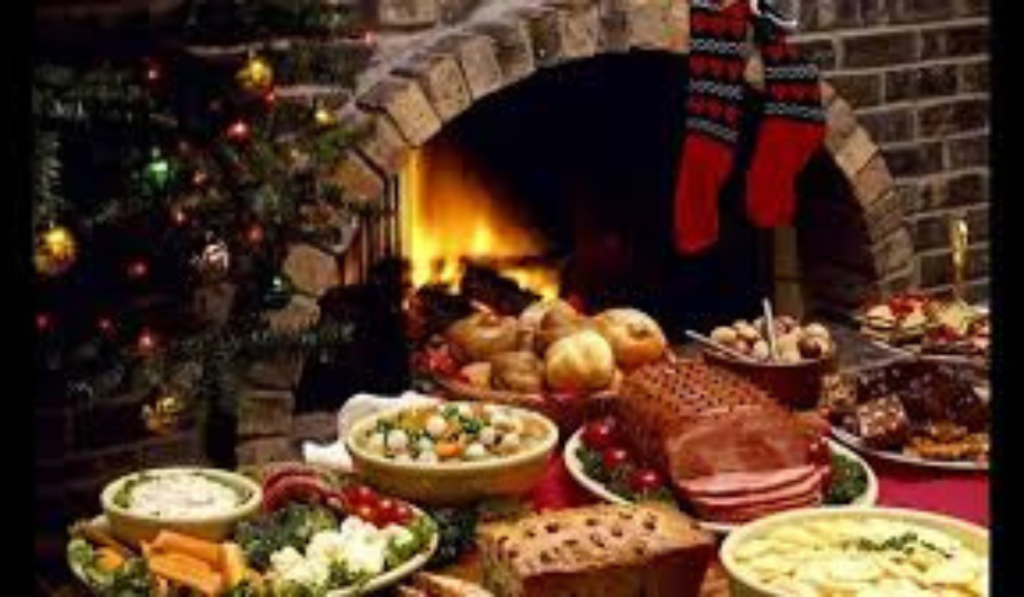
India’s Christmas cuisine is a rich tapestry of migration, culture, and history. From Goa to Kerala, Kolkata to Mizoram, festive tables showcase a blend of local ingredients, colonial influences, and family traditions. Each dish tells a story, connecting heritage, memory, and community.
Goa: Kuswar and Traditional Sweets
In Goa, Christmas begins weeks before December 25, with kitchens buzzing with activity. Families prepare Kuswar, a grand assortment of festive sweets that includes:
-
Bebinca – layered coconut milk pudding
-
Neureos – deep-fried coconut-filled pastries
-
Dodol – sticky jaggery-coconut fudge
-
Pinagr – traditional rice dish
Food historian Odette Mascarenhas notes, “For Goans, Christmas is a season. Most households still prepare at least four to five items at home, maintaining the authentic texture and flavour.”
Savoury dishes reflect centuries of Portuguese influence combined with local culinary traditions. Classics like sorpotel, vindaloo, prawn pulao, beef roulade, and fish croquettes remain central to festive feasts.
Anglo-Indian Christmas Traditions Across Cities
In Bengaluru, Chennai, Kolkata, and Mumbai, Anglo-Indian families continue hybrid festive menus. Classic British dishes such as roasts, puddings, and mince pies are adapted with Indian spices – ginger, garlic, chili, and whole spices – creating unique regional flavours.
Cookbook author Bridget White-Kumar recalls the sensory magic of Christmas: “Plum cakes baking, rose cookies crisping, carols in misty mornings… it’s food, togetherness, and giving.”
Traditional Christmas cakes are prepared weeks in advance, with fruits soaked in rum and spices, reflecting ritual and nostalgia. Desserts often include plum pudding, marzipan, coconut sweets, and homemade wines.
Kerala: Syrian Christian Culinary Heritage
In Kerala, Christmas combines Syrian, Latin, and Roman Catholic culinary influences. Meals feature:
-
Appams – fermented rice pancakes
-
Stew with coconut milk
-
Duck roast, pork vindaloo, kallappam – sweet, mildly fermented rice bread
-
Meen pathiri – fish-stuffed rice parcels
Families continue generational techniques, like regulating appam fermentation temperature, to preserve authentic taste. Community events, such as cake fairs and charity lunches, ensure recipes travel beyond individual households.
North-East India: Tribal Christmas Flavours
In the north-east, Christmas meals highlight smoked, fermented, and fire-cured meats. Examples include:
-
Ao Naga & Sumi tribes: smoked pork with bamboo shoot
-
Mizoram: sawhchiar – rice-and-meat dish
-
Meghalaya: pumaloi with pork
-
Manipur: smoked fish chutney with chicken or pork roast
Migration has helped these regional dishes reach urban centres like Guwahati, Delhi, and Bengaluru, preserving the taste of home.
Urban Christmas Celebrations: Bakeries and Community Rituals
Across cities like Delhi, Mumbai, Bengaluru, Kolkata, Pune, and Chennai, Christmas blends home cooking with urban festivities. Popular traditions include:
-
Flurys, Kolkata: Annual cake-mixing ceremony since 1927
-
American Express Bakery, Mumbai: Plum cakes, coconut toffee, and puddings with fruits soaked for months
-
Artisanal rum cakes and festive bakery menus across cities
Despite urban celebrations, the home kitchen remains central, with families sharing recipes, shipping ingredients, and reviving traditional methods.
The Uniting Theme: Labour, Love, and Community
Across India, Christmas cooking celebrates time, effort, and togetherness. Whether kneading sweets, shaping cookies, or preparing smoked meats, the process is ritualistic and intentional.
As White-Kumar emphasizes: “Christmas dishes are not meant to be quick. The labour put into cooking becomes part of the memory. Families still make at least one dish the long way – that’s what makes it Christmas.”











Leave a Comment
Your email address will not be published. Required fields are marked with *